Showing posts with label Chardonnay. Show all posts

Wednesday, 19 July 2017

A Legend from Chablis - Samuel Billaud

No sooner than we'd finished with the 2015 Burgundy En Primeur, than I got an invite to a 2016 vintage tasting for Samuel Billaud, who's wines I've been a fan of for a number of years.


For those who don't know, Samuel was originally the head winemaker at the family domain, Billaud-Simon. with Samuel at the helm, the domain quickly become one of the top producer in Chablis with an enviable reputation. A few years ago, Samuel decided to go out on his own purchasing fruit from friends in the region and under his own name. With the sale of Billaud-Simon in 2014 to Domaine Faveley, Samuel managed to gain back control of 1/6th of the domaine that was his and was able to use the fruit to expand his range and buy less from other farmers.

2016 has been another exceptionally trying vintage for Burgundy, rain, hail and frosts have decimated there crops with some farmers reportedly losing up to 70% of there crop, this has come on the back of several already small vintages. While yields have been small, the quality of the fruit has again been exception, helping to give the winemakers a good start. The wines are showing great poise and depth of flavour from the fruit that has then been balanced perfectly with the minerality and soft but bountiful acidity. These all helped to create an amazing glass of wine, that as you moved up through his range from the village Chablis to the 1er Cru then the Grand Cru showed a greater depth and complexity each time.

These wines I have to say were absolutely stunning, you just couldn't find a fault in any of them, and these were only the tank samples, bottling won't begin till August and will continue in waves till probably the end of the year. If your a fan of Chablis then these are ones you definitively do not want to miss out on, view our offer here!

Friday, 30 September 2016

A Look At Whats On Tasting This Weekend

For this weekend I've decided to put on tasting a wonderful big, rich and spicy red from northern Italy, and lovely crisp and fruity white from Burgundy.

For the red we've got the 2011 Travaglini Gattinara from Piedmont open this weekend, apart from having a really cool and interesting bottle this is an amazing wine. Produced from 100% Nebbiolo, the same grape that produces the wonderful wines from Barbaresco and Barolo, The commune of Gattinara was granted it's DOC status in 1967 and DOCG 1990, it's situated in the northern part Piedmont about 50 miles north east of Turin, with the Alps as it's back drop to the north.

The design of the bottle, apart from standing out on the shelf and looking really different from anything else, has been designed to help catch the sediment that this wine sheds as it ages. The wine is fermented in Stainless Steel tanks and then transferred to various size of oak barrels for 36 months, and then a further 2 years in bottle, which gives the wine time to take on extra dimensions from the oak and for it then to have a chance to integrate together beautifully.

The wine itself is wonderfully complex, with aromas and flavours of red berries, blackberries and plums, combined with the sweet spice spices of liquorice and vanilla followed by hints of leather. These all combine beautifully in the glass creating a wonderfully complex, rich full bodied wine for you to enjoy, but just take my word for it, pop in the shop this weekend for a taste.

On the white front we have a very classy 2015 Petit Chablis from Chateau de Chemilly. The main Kimmeridgean clay, where as in the Petit Chablis vineyards the soil is more Portlandian soil types.
difference between Chablis and the extended area Petit Chablis is the soil type, the soil in Chablis is predominantly

The estate is now managed by brothers Loic and Yannick Vilain who are breathing new life into this 50 year old domaine in the south eastern corner of Chablis. They take considerable care with the vines to help the fruit to generate that mineral character you'd expect from this region.

Thi wine has all the classic characteristics that you'd expect, lovely fruit ranging from green apples to hints of white peaches, a crisp minerality and beautifully balanced acidity just combine to create a beautiful glass of wine. Definitely worth popping in this weekend for a taste.


Friday, 25 September 2015

A True English Gem - Stopham Estate Pinot Gris

I think I'm pretty certain on this, when I say that this is the first English wine to make it on here, which has to say something about it! Based down in Pulborough, East Sussex on the south downs, Stopham Estate is the brainchild Simon Woodhead, who swapped is previous career designing parts for McLaren F1 cars to studying winemaking at Plumpton and then planting his own vineyard in 2007.

They grow several different varieties, Pinot Gris and Pinot Blanc with a little Bacchus and Auxerrois, to blend with in producing their still whites. Chardonnay and Pinot Noir for their sparkling and some Dornfelder which they use to produce their rose. They have also invested heavily in the vineyard using laser tracking to ensure all the vines are spaced equally, to installing all the latest fermentation equipment into the winery and bottling all under inert gases to help preserve the freshness of their wines.

In the glass it had this lovely bright lemon colour to it, with pronounced aromas of sweet stone fruit, peaches and nectarines, with hints of elderflower coming through from the background. On the palate, there is a tiny hint of sweetness, with the delicious flavours of stone fruit, elderflower and citrus, it has a lovely soft acidity that developed a little tartness on the finish, which kind of awakens your palate and makes your mouth water. Combine this with the fruit and floral characters and you end up with an extremely enjoyable glass of wine, even better when it comes from one of our own vineyards!

Tuesday, 7 July 2015

A Visitor from Italy - Jeffrey Chilcott from Marchesi di Gresy

At the beginning of last month I had the pleasure of meeting Jeffrey Chilcott, the cellarmaster for Marchesi di Gresy, who are based in the Piedmont region of Northern Italy. The winery is based in Martinenga, Barbaresco which for me is an area that produce some of Italy's greatest and aromatic wines, predominantly from the red grape Nebbiolo, but have added Merlot, Sauvignon Blanc and Chardonnay in to there repertoire.

Marchesi di Gresy is made up of four estates, the estate in Martinenga became the property of the Marchesi di Gresy family in 1797, adding to their property in Monte Aribaldo that they had acquired in 1635. They also have properties in Monferrato, La Serra south of Asti and close to it Monte Colombo. Alberto di Gresy in 1973 decided to stop selling his grapes to other merchants which were used to set the benchmark price in the markets of Alba and start to produce his own wines. Included in the property in Martinenga, is the only Barbaresco Cru Monopole which only Marchesi de Gresy can mention on their labels.

Jeffrey had bought a selection of his wines for us to taste covering the Langhe, Monferrato his Barbaresco Cru and single vineyard, there were two wines that really stood out for me, but here are the others. The 2013 Langhe Sauvignon Blanc had some lovely green fruit flavours with a slightly richer texture from the lees stirring, and the perfect touch of acidity. 2012 Villa Martis Langhe Rosso, this is a blend of 60% Nebbiolo and 40% Barbera with french oak and large neutral oak barrels used. It was delicate and aromatic on the nose with some lovely fruit and a well balanced structure from the tannins and acidity.


The last two I tasted were two wines from the Martinenga Monopole, the 2008 Barbaresco Martinenga, this wine was everything you'd expect it to be and possibly even more. With a very pale red colour and a garnet rim showing signs of it's age, it had some lovely dark fruit, smoke, leather and spice aromas, with them all coming through on the palate giving it a meaty character. It still had plenty of soft and silky tannins with just enough acidity to clean them from your palate, making it a very stunning glass of wine. We then tasted the 2005 Barbaresco Camp Gros Martinenga, this single vineyard site is the pride of the estate and has been produced since 1978, only in exceptional vintages though. Considering this was three years older than the previous wine, in the glass it looked and smelt richer and with more depth, it had all the characters of the first Barbaresco but you could be mistaken for it to be a lot younger. This again was a stunning glass of wine and you could see what an exceptional wine this vineyard site can produce, this will last for another 10 years without any problem. Both of these wines were exactly as they should be, but they aren't cheap, ranging from £47 - £54 for the 2008 and £69 - £77 for the 2005.

The first of the two that really caught my eye was the;

2012 Langhe Chardonnay,
I'm not usually the biggest fan of oaked Chardonnay, but this one was stunning, produced from fruit grown on the Martinenga, Monte Aribaldo and La Serra estates it had this lovely bright golden colour to it. The wine starts it's fermentation in Stainless Steel tanks for the first couple of days before then being transferred into oak for further fermentation and maturation. This gave the wine a wonderfully rich and creamy texture with hints of baked green apples, nuts and lanolin, the nutty characters really started to shine over the fruit on the palate with a balanced acidity that stopped it from being over the top and making it a very enjoyable glass of wine.

The second was the;

2007 Monferrato Rosso,
This wine is produced from 100% Merlot which is grown on the La Serra and Monte Colombo estates and was not starting to show any signs of it's age yet. It spends around 30 months in French barriques before spending a further 22 months in bottle the wine is also allowed to go through malolactic fermentation. With all this you get a deep red colour with aromas of macerated dark berry fruits with some hints of spice and smoking coming through, lovely fine and silky tannins and just enough acidity to make them all combine perfectly and produce another stunning glass of wine.

It is hard to find a bad wine in what we tasted, the Barbaresco's were, as I had expected them to be, stunning, but when you compared them by price to the other wines, the Langhe Chardonnay (£25 - £29) and the Monferrato Rosso (£16 - £18) were the real stars that shone out for me. I'd like to say a massive thank you to Jeffrey for taking the time to come and show me his wines.

Friday, 9 January 2015

A Trip To The Not So Distant Past - Burgundy 2013 Part 1

I've been involved with Burgundy En Primeur campaigns for the last couple of years now, and have seen the difficulties the vignerons and wine makers have had to face, with poor harvests due to some absolutely devastating weather conditions. With the tiny harvest of 2012 I spoke to several vignerons with regard to 2013 to see what their expectations were, and many said that they were concerned that while the harvest was again going to be small due the hail storms, the large deluge of rain they had had, meant they were also very concerned for the quality, as the grapes were fat with water. Not many people were expecting 2013 to deliver much if anything at all, many were expecting to be putting the vast majority of their fruit into making their most basic village wines, not their Premier or Grand Cru wines.

So for the first tasting of 2015 I headed into central London and dropped into Flint Wines 2013 Burgundy En Primeur tasting at Il Bottaccio, this is the first opportunity that most of the UK trade and press have had to taste these wines, so I was really looking forward to seeing what they had managed to produce from the 2013 vintage.

The whites were difficult, many of the entry wines had plenty of green apple fruit but not much else flavour wise, they did have a real steely minerality to them that made them very austere, most had quite a soft acidity which helped to soften out the minerality a little, but not much. In the middle you had a lot of good wine with a little more depth of fruit, the wines that had spent some time in oak were starting show small signs of development and complexity in them, but their was nothing that really bowled you over, of course many of them need a little more time before they will fulfil their potential, but from what I tasted this is going to a small window and I don't think you'd be particularly bowled over by them.

Moving on to the Premier and Grand Cru wines, these were pleasantly surprising, there was some lovely green fruit that was starting to signs of development and going towards more baked than fresh in character. The oak was starting to integrate beautifully with one or two showing a real toasty side, with this you also got hints of the sweet spice Vanilla, combine these with a bountiful but soft acidity, due to the Malolactic fermentation they had gone through, and you were starting to see the signs of where these wines were going.

There was one producer who really stood out for me on the whites, and that was Domaine Ballot-Millot, this is a family estate based just outside the village of Meursault,they were showing 4 wines, a Bourgogne Blanc, a single vineyard and two Premier Cru Meursault. It was these three Meursault's that really stood out from the rest for me. The 'Les Narvaux' had a lovely yellow/gold colour to it, with some lovely fruit to it that was starting to head towards baked, it had a lovely minerality to it with hints of vanilla coming through very gently and a wonderfully soft acidity just brought it all together. The two Premier Cru, 'Charmes' and 'Perrieres' both really took this up a notch with much greater depth and richness, while they were lovely today they are only going to get better and better with age, for me there wasn't much between these, but I did prefer the 'Charmes' though.

Red's to follow next week....


Wednesday, 26 November 2014

A Dinner with TerraVin from New Zealand

A few weeks ago I had an invite to meet several of the investors in TerraVin, a boutique New Zealand winery from Marlborough, for dinner at the newly opened Four to Eight restaurant in Covent Garden. I remember meeting Mike Eaton the former wine maker and tasting their wines a few years back at a Jascot's tasting, there was one particular wine that really stuck in mind, and that was the Te Ahu an oaked Sauvignon, which shouldn't be, but was stunning. Since the last time I encountered there wines, they have handed the wine making reigns over to Gordon Ritchie, who had previously been a winemaker at Seresin.

On arrival we were served a glass of the 2013 Sauvignon Blanc, which had all those typical New Zealand characteristics of Gooseberry, Green Pepper and Citrus, but with a much more rounded/softer acidity to it. We then moved on to the 2011 Chardonnay, now this wine is wild fermented and then aged in oak for 18 months, it is then all blended together and spends another three months in tank before being bottled. It had a lovely creamy texture with touches of butterscotch and vanilla, there was a hint of baked apple in the background, combining with a soft but plentiful acidity.

Next came the wine that I really wanted to taste again, the Te Ahu, it was also served with a cream of celeriac soup, which was just beautiful, and had an earthy character that worked so well with the flavours of this wine. You had apricots with some citrus, you also had in there some kind of almond/nuttiness which worked with the fruit perfectly and you had this soft and silky acidity which just brought it all together perfectly. The wine has this earthy character to it that worked with the soup perfectly.

With the main course we were served two of there Pinot Noir's, the 2011 and the Eaton Family Vineyard 2010. The 2011 was delicious, very typical New Zealand Pinot, lovely red cherry fruit, with a touch of smoke and spice mingled in with it, and a lovely acidity that's not to tart, but just enough. The 2010 Eaton Family however was another notch up, more depth in each of the flavours wonderfully soft and silky tannins, I have to say this was my second favourite wine of the night behind the Te Ahu.

And finally for desert we had the 2012 Late Harvest Pinot Gris, which the 3 bottles apparently had been flown over especially just for this dinner as it's not available in the UK. This was lusciously sweet as you would expect, but it had this wonderful acidity that just cut through the sweetness perfectly to show flavours of white peach, citrus and honeysuckle which were just stunning, only a shame that we won't be able to get it over here!

Saturday, 28 June 2014

An American Chardonnay with a Difference - Crossbarn by Paul Hobbs

After stopping off in London for the Wine Fair, I thought I'd head west and pay a visit to California and review one of the wines from Paul Hobbs, who Forbes magazine describe as 'the Steve Jobs of wine' and was named as the most influential winemaker in California.

Paul is the second oldest of 11 children, he grew up on a working farm near Lake Ontario in western New York, where his father had him taste the same variety of apples grown in different orchards from all over, giving him the first hand experience of 'terrior'. In 1969 his father let him taste a 1962 Chateau d'Yquem which captured his imagination and inspired his interest in wine, from that evening he and his father decided to start planting vines on their apple farm and start learning about wine.

Paul moved west, and studied winemaking at the University of California, and where he did an internship at Robert Mondavi, who he would later go and work for, eventually becoming the winemaker of Opus One, probably America's most prestigious wine. In 1991 he decided to go it alone and setup the Paul Hobbs Winery in Sebastapol, then in 1999 he started Vina Cobos in Argentina, he also consults all over South America, in Cahors and even as far as Armenia.

His Crossbarn Chardonnay is produced from fruit carefully selected from selected vineyards from all over the Sonoma Coast appellation, where careful management of the yields is maintained to maximise the ripeness and concentration in the fruit. All the harvest is carried out by hand to ensure the fruit arrives at the winery in immaculate condition. 80 % of the harvest is fermented in Stainless Steel with the other 20% in old French oak, all the wine is then left to go through Malolactic Fermentation to soften the acidity and give it much more of a rounded mouth feel.

The wine has a wonderfully bright golden colour with a slight hint of green it, on the nose it had quite pronounced aromas of citrus, pear and honeysuckle. On the palate the fruit came through beautifully, with the pear becoming much more apple, a touch of white peach/nectarine and a delicate touch of lemon oil, it has a lovely rich mouthfeel that wasn't too intense and a well balanced soft acidity. Combine all these together and you really do get such a well crafted wine that takes a step away from the big heavily oakey Chardonnays that California produce so well. Would I recommend this wine, absolutely, but if I'm honest, it's hard to find a bad wine that Paul has had anything to do with.

Wednesday, 18 June 2014

A South African Tasting with Gary Jordan

The other week saw the wine world descend on London's Kensington Olympia exhibition hall for the London Wine Fair, bringing together producers and agencies both large and small showing off their wares and trying to extend their current reach. While spending the day tasting several great wines/producers, many good producers and bulk producers whose wine is likely to and up on supermarket shelves on some half price offer, which is all it's worth to start with, their is one producer who stuck in my mind the whole day, and that is Jordan from Stellenbosch in South Africa.

The 146 hectare Stellenbosch property was bought in 1982 by Ted and Sheelagh Jordan who embarked on extensive replanting, selecting varieties suited to. Then their son Gary and his wife Kathy returned to the estate in 1992 to build a new cellar, and since 1993 have been producing world class wines.

They have a comprehensive range producing single varietals from Chardonnay, Sauvignon Blanc, Riesling, Syrah, Merlot, Cabernet Sauvignon and several blends to round of the range, and I have to say it's pretty hard to find a poor wine. For the moment though I want to look at their Chardonnays, but I definitely would recommend anything from their range, the reds are as fantastic as the whites.


2013 Unoaked Chardonnay

The fruit for this wine comes from vines that are 28 years old which gives the fruit much more depth of flavour to start with. It is all Stainless Steel fermented and kept on the Lees for 4 months to help develop the leesy characteristic.

In the glass you had the wonderfully bright pale lemony/green colour, with aromas of tropical fruit, citrus and some delicate floral hints coming through. On the palate these all shone through with the citrus coming through as lime and the floral characteristic being elderflower, along with this you got a lovely racy acidity which just made your water and helped the flavours linger around in your mouth. I have to say one of the best unoaked Chardonnays I've tasted for a while.

2013 Chardonnay

The fruit for this wine comes from vines that are between 11 - 28 years old, which are situated on the cooler east and south facing slopes. It's then fermented 228 litre French oak barrels (51% new and 49% second fill) and where it stays for another 9 months on the lees which occasional rolling of the barrels to accentuate the leesy character. They then blend in around 8% of tank fermented Chardonnay to help balance the citrus flavours, and both wines allowed to go through Malolactic Fermentation to soften the acidity.

In the glass it had a beautiful golden colour to it, with aromas of citrus, green fruit, sweet spice and a toasty/buttery character coming through. You got these flavours coming through, with the toasty oak being quite dominant but not overpowering. It has quite a rich/creamy mouth feel and a soft, but plentiful acidity which all worked perfectly in balance with one another, this will also develop over the coming months getting richer and creamier. I'm not usually a fan of rich, oakey Chardonnays, but this is definitely one that I would happily buy and drink.

 2013 Nine Yards Chardonnay

This wine is produced in the same fashion as the oaked Chardonnay, except the the fruit comes from a 23 year old specific vineyard and it aged in barrel for 13 months not 9, a small proportion is also allowed to go through natural fermentation helping to give it different characteristics to oaked Chardonnay.

This wine had a slightly richer golden colour to it, with wonderful aromas of Citrus, Butterscotch and a touch of spice coming through. These all came through on the palate with the citrus and butterscotch coming beautifully, while coming through there was a touch of stone fruit, it had a wonderfully rich mouth feel and a soft acidity to it. While this is still young and wasn't very forthcoming with the aromas and flavours, give this 12 - 18 months so everything can integrate together and this is just going to be a big, rich, opulent and a stunning wine.

I just want to say a massive thanks to Gary for taking the time to go through his wines with us, and would definitely advise you giving his wines a try, whether you go for the whites or his reds, your not gonna go far wrong with them.

Monday, 19 August 2013

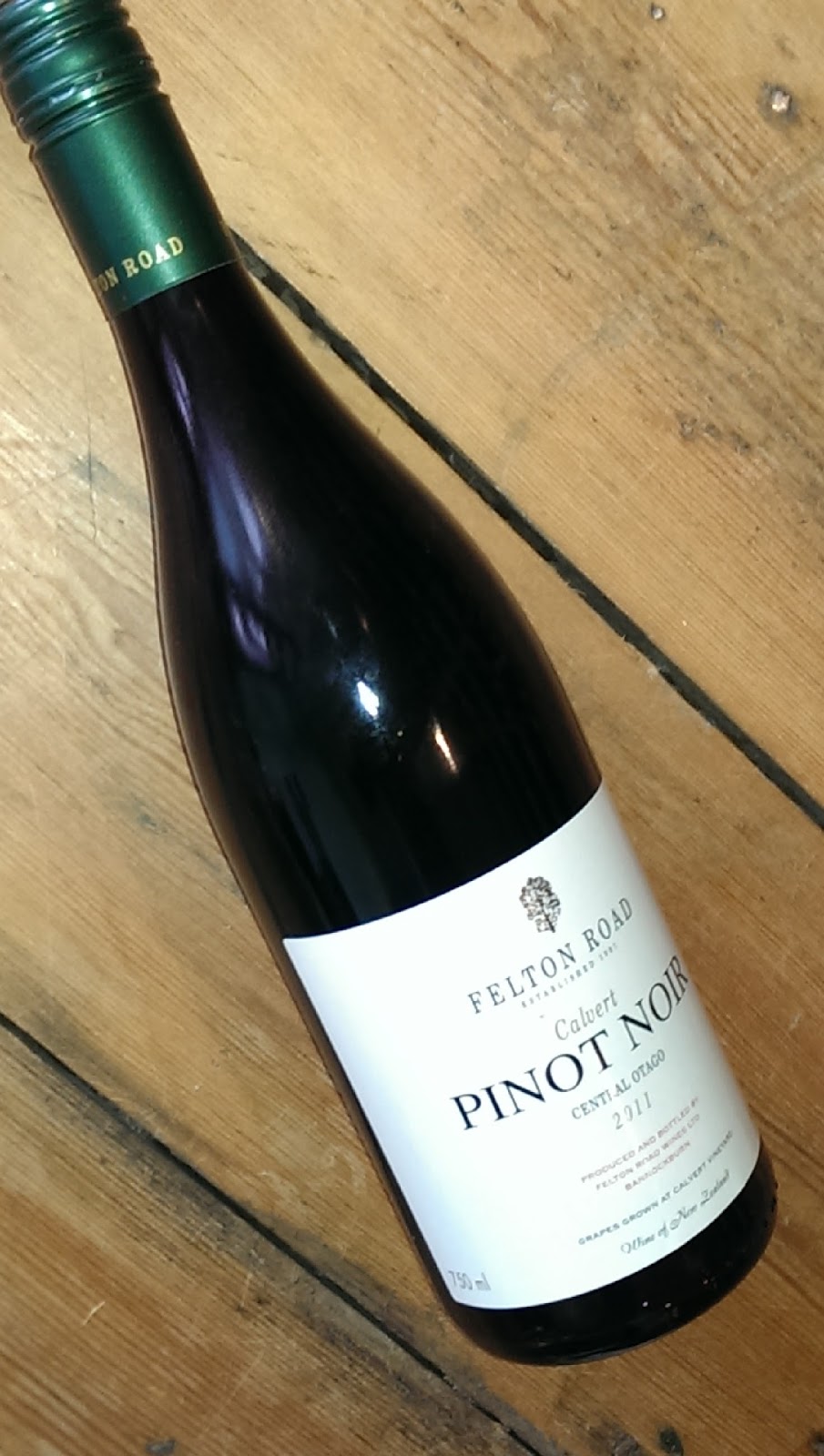
A Pinot Noir from New Zealands Finest - Felton Road

I love Pinot Noir especially from Central Otago in New Zealand, and none more than those produced by Nigel Greening and his team at Felton Road. The vineyard was founded in 1991 after extensive research by Charles Elms as to which were some of the best vineyard sites in the region, resulting in  the Bannockburn site at the very end of Felton Road being identified. The sites have been managed by their own viticulturist Gareth King and his team, who have also been farming all the sites from 2002 onwards using organic and bio-dynamic techniques, and being awarded in 2010 the full Demeter certification for all three sites.

The organic compost they use, is made from waste produced in the winery, straw and organic cow manure. They are meticulous at managing the canopy and the number of bunches on each vine to ensure optimum fruit quality. Irrigation is used towards the end of the summer, but soil moisture levels are monitored carefully, with water only being applied when required to maintain the water levels in the soil. By employing all of these techniques, they really do produce some of the best fruit for their winemaker Blair Walter to use and produce his stunning wines with.

Within the winery Blair also employs a hands off approach to winemaking, allowing the wild yeasts in the winery to start the fermentation process, malolactic fermentation is also allowed to take place naturally. He even avoids fining or any filtration, to help preserve the wine's expression of each 'terroir'.

The Calvert vineyard site is located one kilometre to the east of the Elms site with north facing slopes, and has the soil type that first led the guys to this part of the region, deep silt loams. The vineyard was first planted in 1999 with several different Pinot Noir clones, with Chardonnay and Riesling being planted 2003.

The 2011 Calvert Pinot Noir, I have to say was absolutely stunning, I managed to find a bottle a little while ago on the shelf in a local wine merchants and I just couldn't resist. In the glass it had bright ruby colour, with wonderfully rich aromas of red berry fruit, leather and spice. These all came together in the glass with such great complexity and depth, the oak was perfectly integrated and balanced with the fruit, it had a wonderful acidity, soft/silky tannins and a length of flavour that just kept going on and on.

Would I recommend this wine, absolutely, actually I would go as far as saying that I would recommend any wines from Felton Road, they have a fantastic depth of flavour and complexity that is hard to find in wines from the new world while still keeping its identity of a New World wine.

Tuesday, 13 November 2012

A Trip to the Spar


When you’re in a hurry and the only place you can find to pick up a bottle is the local Spar, you may like me, think that all I’m going to be to get is a bottle a cheap and nasty Pinot Grigio or one of the uninteresting big brands, but don’t panic, all is not lost.

I had the opportunity recently to meet the guys from the Spar and to taste some of there own and exclusive label wines, which I have to say were very impressive and actually great value as well. Here are a few of my favourite;


Spar Chablis; this has aromas of green fruit and citrus, with these coming through on the palate, it has a delightful acidity with a touch of steely/minerality to it as well. Not quite a crisp as many other traditional Chablis, but this helps to make it a bit more approachable and hopefully enjoyable to more people, and great value at £10.99.


Chene St Louis Sancerre; with lovely aromas and flavours of gooseberries and a nice minerality to it, again the acidity is much softer than many of it’s counterparts, this however does not detract from it being a delicious wine, and great value at £10.99.


Valle Vento Barolo; this had a garnet colour to it in the glass, with the aromas and flavours dark fruits, cherries and plums, with a touch of spice coming through from the background. The tannins were fine and silky, the acidity was just enough to complement this, resulting in a great glass of wine and again exceptional value at £14.99.


Les Trois Couronnes Chateauneuf du Pape; this is a blend of 13 of the permitted varieties, including Grenache and Syrah, which all help to create big rich wine with a great depth of flavour. It had aromas and flavours of dark fruit and spice, wonderfully fine/silky tannins and just the right amount of acidity to balance it all out and make it a great glass of wine, all for £15.99.


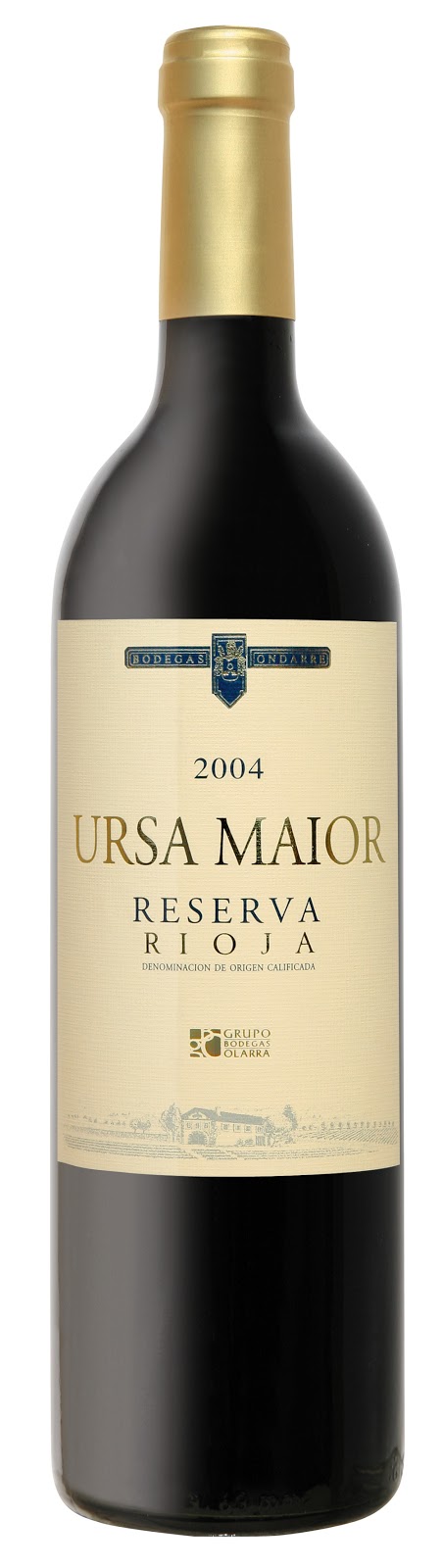
Ursa Maior Rioja Reserva; a Tempranillo blend, this had lovely mature aromas and flavours of dried fruit, cherries, tobacco and a touch of sweet spice, Vanilla. Lovely silky tannin and a great acidity, I have to say this was perfectly balanced and probably my favourite of the day, and all for £9.99.


I have to say I was rather impressed with there selection of wines, and if I ever needed to grab a bottle or two and I came across a Spar, I wouldn’t have any hesitation in popping in and selecting one from there own range.

Friday, 31 August 2012

A Cracking Petit Chablis from Patrick Piuze


For those of you who have read my blog before, will know I’m far more of a fan of the new world than of the old, so I thought I better try and rectify that a little and write about something from France.

Earlier in the year my sister asked me to do a tasting for her and some of her friends from work, which under normal circumstances wouldn’t really have been that much of a problem, but she lives in New York, and it’s a little far to go just to do a tasting. So we came up with a cunning plan (sorry for the Blackadder reference) and did it using the joys of Skype, which actually proved to be quite good, the hardest part was actually finding wines that we could both get in the UK and US, which proved to be harder than you may think.
After several hours of trawling over web pages of stores from New York I managed to find several wines for us, the first was the Dr L Riesling, Seghesio Zinfandel, which you’ll be able to read about in my next post, and the 2010 Patrick Piuze Petit Chablis, which is what I want to talk about in this post.

Patrick was originally from Canada, who when 18 met Marc Chapoutier, and sparked his interest in wine making, and helped him to visit wineries in Australia, South Africa and Israel. After going back to Quebec and opening a wine bar, his realised his real passion lay in making wine and he headed of to Burgundy, where he went to work the harvest for Olivier Leflaive in Puligny-Montrachet, after a short course at the Beaune CFPPA, he was entrusted with their Chablis winemaking. After a successful stint with Olivier Leflaive he went to work at La Maison Verget, when after a year he was then offered the position of Cellar Master with Jean-Marc Brocard, until he decided to go it alone and produce wine under his own name, from various Grand and Premier Cru sites around Chablis.

The 2010 Petit Chablis Cuvee Speciale Juliette Anais, I have to say finally showed me that you can get a great French wine without paying stupid amounts for it. In the glass it had a bright pale lemon yellow colour, with stunning, crisp aromas of citrus and slightly delicate floral characteristics coming through. On the palate you got these aromas with a hint of crisp green apples and a real minerality coming through, which was just stunning, it’s starting to make my mouth water just writing about it. To go along with these flavours you got a real nice amount of acidity to cut through the flavours and bring them all together and really balance the wine perfectly.

I have to say this was an absolutely stunning glass of wine, that if you ever come across any of his wines I would highly recommend that you try them. I definitely will, as long with a few more from burgundy. 

Wednesday, 1 February 2012

A Dinner with Kevin Judd from Greywacke

One of the great things of working for an independent wine merchant (The Vineking) is that I get to go to all the events that we organise, such as the a dinner with Kevin Judd at the Dining Room in Reigate. For those of you who don’t know who Kevin is, he’s the winemaker from Greywacke, formerly the founding wine maker from probably New Zealand’s most iconic wine, Cloudy Bay. Kevin produced the first 25 vintages at Cloudy Bay, and introduced the world to the fantastic Sauvignon Blanc from Marlborough, after leaving Cloudy Bay; Kevin decided he wanted to continue wine making, but now under his own label, Greywacke. He buy’s his fruit from various vineyards around Marlborough, including from his good friends at Dog Point (another one of our favourites) who are the other original founders of Cloudy Bay, they also very kindly let him use their facilities to produce his wines. He did remark that it’s now more affectionately known as the Cloudy Bay retirement home, as many of the original staff from Cloudy Bay now work at Dog Point or with Kevin at Greywacke.

Kevin talking to the room
Listening to Kevin talk about his wines and the wine making process, the most amazing thing was how little intervention he did with them, to put it in his own words, I press the grapes, put the juice into the tanks or barrels depending on which wine he’s making, and leave it to get on and do it’s own thing! This all helps to keep the pure fruit flavours that you find in his wines; another thing was the use of wild yeasts to produce his Wild Sauvignon and his Pinot Noir, which just help to add another dimension to his wines.

Along with the wines we’ve sold in the past, he also bought some of his Chardonnay and Pinot Gris for us to taste, and like his other wines we know so well they didn’t disappoint, unfortunately at present they are only produced in small quantities, but we are hoping to get some of his next vintage of the Chardonnay, but again we only be able to receive a small quantity, so if your interested in them, then make sure you get your orders in early!

The wine we had on tasting were;

2011 Sauvignon Blanc – this just had beautiful green fruit flavours and aromas, with a touch of minerality to go with it, great acidity, producing a beautifully restrained and elegant glass of wine.

2010 Wild Ferment Sauvignon – with a much richer mouth feel, and more complexity than his ordinary Sauvignon, it had a hint of Vanilla and softness to the acidity which just made this wine absolutely stunning.

2009 Chardonnay – again this wine had a real richness to it, with slightly savoury/lanolin aromas, with a touch of citrus on the palate and a creamy texture, combined with a minerality and a long lingering finish that made this wine just amazing.

2010 Pinot Noir – with both some dark and red fruit flavours and aromas in the glass, intermingled with a smoky vanilla oak, soft fine tannin and a great acidity to it, and a length of flavour that just kept on giving, this wine definitely did not disappoint.


Several empty bottles of his Pinot Gris
2010 Pinot Gris – this wine was slightly off dry, but with stone and dried fruit flavours, the perfect amount of acidity, and as with all the others a length of flavour that just kept on giving, it worked very well the raspberry and vanilla in the desert, but was a little challenged by the chocolate.

I have to say, my favourite of the night was his Wild Sauvignon, but we couldn’t find fault with any of range and I’d highly recommend any of his wines for you to try.

Monday, 11 April 2011

A Secret Tasting with Linton Park Wines


Finborough Wine Cafe

The other weekend was the 3rd instalment of Andrew Barrow’s (Spittoon) secret tastings known as ARSE (Andrew’s Really Secret Event), just in case you thought I was being crude. All we knew to was that we were to meet outside a district line tube station, to be named later, on the 3rd at 12pm, how could I resist the intrigue!

Although we were given several cryptic clues as to our meeting point, it was kept secret right up to the last possible moment; it turned out to be West Brompton tube station. On arrival our names were checked off the register, which made me feel like I was on a school trip, and we moved on to our first venue, the Finborough Wine Cafe. We started the day with a glass of Morton New Zealand sparkling, which was a blend of all three of the Champagne grapes, giving you great flavours and a good level of acidity, producing a beautifully refreshing drink, and a great way to start the day.

Hennie - The winemaker
After we’d had the opportunity to get to know the others on the tasting we were duly informed that we were moving on to the next venue, which, after putting my jacket back on and everything back in my bag, turned out to be the tasting room downstairs! When we got downstairs we were greeted by Hennie (winemaker) and Neil from Linton Park Wines, who were here to showcase their wines and give us some insight into them.

Based in the Paarl region of South Africa and nestling in the foothills of the Groenberg Mountain in Wellington Valley, they have 290 Hectares growing Cabernet Sauvignon, Merlot, Shiraz, Chardonnay and Sauvignon Blanc. Situated 500m above sea level, this helps to provide a cooler climate with the various oak leaf soils, all helping to produce some fantastic growing conditions and some great wines. Fortunately for us, Hennie had brought wines from all the grapes above and across two ranges, their standard and reserve.

Linton Park Sauvignon Blanc 2008 – With wonderfully herbaceous aromas and flavours, a low level of acidity, and a good length of flavour all combined to produce a fabulous wine, definitely my favourite of the whites.

Linton Park Chardonnay 2009 – With pronounced fruit aromas with a buttery edge and a touch of spice, good level of acidity cuts through its richness. Not over powered by the oak, this was a beautifully rich wine that was very enjoyable, and I’m not a fan of oaked Chardonnay.

Linton Park Cabernet Sauvignon 2008 – A deep ruby colour, with red berries and chocolate aromas, on the palate you got these with a touch of jammy plums, combined with a good level of fine tannins.
Linton Park Reserve Cabernet Sauvignon 2008 – This had dark fruit and oak aromas and palate, very fine, soft tannins, creating a very refined and beautiful wine.

Linton Park Merlot 2007 – Great jammy dark fruit and oak aromas and palate, again with fine tannins and a good level of acidity producing a well balanced and enjoyable wine.

Linton Park Reserve Merlot 2005 – As with the merlot above, but much more intense oak/kernel aromas and flavours than fruit, as would have expected a more refined version of the previous wine.

Linton Park Shiraz 2008 – Wonderfully pronounced aromas and palate of peppery spice with a touch of red berries in the background, with a hint of sweetness from the oak. Fine velvety tannins and a good acidity produce an amazingly well balanced and beautiful wine.

Linton Park Reserve Shiraz 2007 – With pronounced dark jammy fruit, spice, chocolate and smokey aromas, you got all of these on the palate with velvety tannins, all produced an amazingly complex and absolutely stunning wine. Which I can safely say got the majority vote as our favourite wine of the day.

After we’d gone through all of these, Hennie had one last challenge for us, he produced an unlabeled bottle for us to taste and guess the grape, year and dominate aroma. Which I have to reluctantly admit all of us wine geeks got massively wrong which was a little embarrassing, personally I thought it was a Pinotage, but it turned out to be a 2011 Cabernet Sauvignon.

It was a fantastic day, with great wine and fantastic company, I’d just like to thank Hennie and Neil for taking the time out to go through their wines with us, and of course, Andrew for organising a great day, roll on ARSE4. 

Thursday, 24 March 2011

Charming, charismatic, cool: Callooh Callay


I don’t usually blog about bars, but I’m making an exception, for a fantastic cocktail club I had the pleasure of going to at the weekend: Callooh Callay. Based in the heart of all that is trendy and cool, Shoreditch, when you first enter the bar, it seems kind of normal, and kind of small. However, when you book a table in advance – that’s when it becomes kind of special.

In the corner stands what looks like, a big old fashioned wardrobe. On closer inspection however, you discover it’s a door, which leads you another bar, giving you a feeling like you’ve just entered Narnia. The bar was, for want of a better word, amazing! There were baths that had been cut in half and turned into seats and other eclectic furniture. Even better, then there is yet another smaller, even further hidden, totally exclusive bar upstairs.  Thankfully, it didn’t turn out to be style over substance; the menu was phenomenal, it had all the usual cocktails you’d expect, with many more that you’d never heard of.

We started with a glass of Ruinart Rose, a stunning Champagne. Founded in 1729, the House of Ruinart is reputedly the oldest Champagne house. Originally created by the Benedictine Monk Dom Thierry Ruinart, he did so in response to the enthusiasm of the aristocratic royal circles for the tipple. The business was then taken over and developed by his brother and nephew, both of whom were called Nicolas, who moved the family business away from the cloth trade in 1735, to solely focus on the Champagne business.

It had wonderfully youthful aromas of Strawberries, Raspberries and Red Currants; you got all these on the palate with a great level of acidity and wonderfully fine bubbles. A blend of 45% Chardonnay from the Côte des Blancs and 55% Pinot Noir from Montagne de Reims, it has a bright Salmon Pink colour, which was a little bit difficult to tell in the club, but didn’t take away from the wonderful taste. Even the bottle screamed class and individuality, instead of a traditional Champagne bottle; it was a shorter, dumpy bottle adding to the overall allure of it.

Is this a Champagne that I’d recommend? Absolutely! It was beautifully balanced with wonderful flavours that I could have kept drinking all night long and I definitely will be next time I go!


Tuesday, 15 March 2011

A New Zealand White that's not Sauvignon Blanc


Having written quite a few reviews on New Zealand Sauvignon Blanc, most people could be led to believe that this is the only grape they grow, which is not the case. With the climate being much cooler than their Australian neighbours, they don't do so well with growing the likes of Shiraz and Cabernet Sauvignon. They do grow with great success Pinot Noir, Merlot and Chardonnay, producing some absolutely stunning examples of these wines.

I know this isn't the right bottle!
Having reviewed Villa Maria’s Private Bin Sauvignon Blanc, I thought I would also review there Private Bin East Coast Chardonnay 2008, and the fact that a friend bought a bottle with them when they came to dinner the other week made it an ideal opportunity. The wine itself has been allowed to go through Malolactic fermentation, and certain parcels of the blend have also received some oak ageing, to add some depth and complexity to it.

On pouring the wine, it had a bright lemony gold colour with reasonably pronounced youthful aromas of Peaches, Pears and strangely enough, wet wool, which isn’t as bad as it sounds. On the palate you got the fruit coming through with eucalyptus/medicinal flavours following. It had a good level of acidity that worked very well with flavours making it a well balanced wine with just the right level of oak.

This was not a bad wine, it was well balanced, not over oaked, with a short length of flavour making it an enjoyable drink, but would I recommend it? If you like your new world Chardonnays then you’d enjoy this, but personally and for the price I’d rather go for their Sauvignon Blanc.

Tuesday, 11 January 2011

A Great Range of Wines From Turning Leaf


If you’re looking for a range of wines that has something to cater for everyone’s taste, then you should look no further than those produced by the Turning Leaf vineyard. They’re priced at around the £7.50 mark and are available from the major supermarkets and most good off licenses.

I had the pleasure of spending the evening with Stephanie Edge their winemaker, just before Christmas, going through their current range and pairing them with food. Stephanie’s philosophy for the wine is that when it goes into the bottle it’s ready to drink, which to me, sounds like a good place to start!

The first wine we tasted was their Pinot Grigio, I’m not the biggest fan of these as they tend to be very non-descript and uninteresting. This one though, showed good fruit flavours of Pears and Apples, with a good level of acidity and a reasonable length of flavours on the palate. They produced a well balanced and enjoyable drink, which I thought was an excellent example of what can be done with Pinot Grigio, given a little care and attention.

We then moved on to their Chardonnay, this wine is fermented in French Oak and racked off Lees for a further nine months, it is also allowed to go through Malolactic fermentation. All of this creates a rich wine with a buttery texture, giving you flavours of tropical fruit, butterscotch, cedar and a touch of spice coming through in the background. The most surprising part of this wine for me was that despite it going through Malolactic, it still had a reasonable level of acidity, which shouldn’t have been there. On discussing with Stephanie it became apparent that this had been quite deliberate, and the Malolactic fermentation had been arrested before completion. With all this going on in the glass, you’d be forgiven for thinking it was never going to work, but strangely it did. Actually it was a very enjoyable drink, that wasn’t over oaked, was refreshing and provided good flavours with a good length on these.

The first red of the evening was their Pinot Noir, which is a grape that tends to prefer cooler climates than that of California, but if you look hard enough, apparently you can find some cool, shaded areas. This wine spends nine months in French, American and Hungarian oak, which all add there own interesting characteristic to the wine. You had a light red colour with good aromas of Red Cherries, Red Currants and a touch of sweet spice in the background. Combine these with low acidity and low levels of tannin; you got a well balanced, easy drinking wine that on a hot day you could chill slightly and enjoy!

Next we moved on to their Zinfandel, which is one of my favourite grapes, again as with the Pinot, this wine see’s some oak ageing before bottling. In the glass this wine had a wonderful deep, almost opaque ruby/purple colour and pronounced aromas of Blueberries, Violets and spice. You got these aromas on the taste but in a more concentrated, jammy way that come at you wave after wave, first the fruit, followed by the floral violet notes, then the spice and finally cocoa. Combining these with a good level of acidity and tannin, and a long length on those fantastic flavours you got a very good wine, with some complexity and for the price you’d struggle to find one as good.

The final wine of the night was the Cabernet Sauvignon, as before this see’s some oak ageing with their eclectic blend of oak. You got a deep ruby/purple colour again with pronounced aromas of Blackcurrant leaves, Cassis and Dark Cherries. You got a good level of acidity and tannin, which produced a well balanced and enjoyable wine, very typical of what you get from warm climate Cabernet’s.

It was a great evening, with some very enjoyable wine and company! The wine of the evening for me had to be the Zinfandel, which showed some fantastic flavours and complexity resulting in a great drinking and thoroughly enjoyable wine.

Picture Courtesy of WCommunications

Friday, 29 October 2010

Its not just wine, its M&S wine.

The other week I had the pleasure of being invited to M&S’s bi-annual press tasting; they were presenting us 127 wines from across their range, including 14 that were exclusive to their wine direct service. It took several hours of painstaking tasting, which was such hard work! But here’s my favourite 10 (in no particular order) to keep your eye out for;
1.       Cava Prestige Brut, £7.99 and available in all stores.
Produced from the Parellada and Macabeo grapes using the traditional method, it has fresh green fruit flavours and a refreshing level of acidity producing a very well balanced and enjoyable alternative to Champagne.

2.       Darting Estate Durkheimer Michelsberg Riesling 2009, £8.49 available in 300 stores.
This Riesling is produced in the Pfalz region in Germany from 10 year old vines. Producing wonderful flavours of stone fruit, with a slightly floral nose and good level of acidity, making it a well balanced enjoyable off dry wine.

3.       Mâcon Villages 2009, £7.99 available in all stores.
100% Chardonnay and left on it’s lees to add a bit more complexity. It has great green fruit flavours which linger for some time, a slightly buttery rounded texture and just the right amount acidity making it well balanced and excellent value.

4.       Chablis 2008, £9.99 available in all stores.
Again 100% Chardonnay with all the characteristics as the Mâcon Villages above, just that bit more refined and elegant.

5.       Secano Estate Pinot Noir 2009, £7.99 available in 400 stores.
Produced in the Leyda Valley in Chile, the wine is allowed to go through Malolactic fermentation in French oak barrels, giving it flavours of juicy red fruit, good levels of Tannin and acidity all combining to make a beautiful wine.

6.       Carignan, El León Vineyard 2006, £9.99 available in 100 stores.
Produced in the Maule Valley, Chile, and although the labels states its Carignan, it is actually a blend of 85% Carignan, 7.5% Carmenère and 7.5% Malbec. Aged in French oak barrels for 18 months, it had flavours of red fruit, blackcurrants with a hint of eucalyptus coming through in the background. Nice fine Tannins and good acidity all go to make this a fantastic wine.

7.       Newton Johnson Pinot Noir 2008, £16.99 available in 100 stores.
From the Hemel-en-Aarde valley, 80km southeast of Cape Town, allowed to go through Malolactic fermentation and aged in oak barrels, with flavours of red fruit, nice juicy Tannins and good acidity.

8.       The Gum Shiraz 2008, £11.99 available in 100 stores.
Hailing from the Adelaide hills and matured in oak barrels. This wine had flavours of baked/jammy dark fruits, fine Tannins with good acidity going to produce a wonderful example of Shiraz.

9.       Asti Spumante NV, £7.49 available in all stores.
Made from 100% Moscato in the Piedmont region of North West Italy, I’m not the biggest fan of Asti, but as a friend said to me every wine has its place, and he wasn’t wrong! A sweet sparkling with flavours of tangerines and a low acidity, a great drink to have after a big meal to awaken the tasted buds.

10.   Darting Estate Scheurebe Beerenauslese 2007, £17.00 available in 125 stores.
From the Pfalz region in Germany, the grapes have been affected with Noble Rot and late harvested. This gives you a wine that has a deep gold/amber colour and is lusciously sweet with layer after layer of flavours of citrus and apples.

Friday, 25 June 2010

An Oaky Chardonnay from Sonoma California


I was sent a bottle of Sonoma-Cutrer Sonoma Coast Chardonnay 2006 the other week to review. According to the press release that came with the wine, it has gained a loyal following with sommeliers and restaurateurs alike in America, and is now available on these shores from Waitrose and Ocado.

The grapes used to make this wine come from all of their sites across the Russian River and Sonoma Valleys in California, this helps to create a more balanced and complex wine. Fermentation takes place in oak barrels and it is allowed to complete Malolactic (MLF) fermentation as well; this is where the tart malic acid is converted into the softer lactic acid, giving it a more rounded and buttery feel. The care and attention given to the wine making process has resulted in it winning a gold medal at the International Wine Challenge in 2009.

On pouring the wine you got a bright, lemony gold colour, while on the nose it had aromas of citrus, green fruit and cedar with a touch of ginger coming through in the background. To taste you got the same flavours as the aromas, classic of Chardonnay, green apple and citrus, you got really pronounced flavours of cedar which comes from the oak ageing. Unfortunately you didn’t get the usual butter feel as I would have expected, as it had gone through the MLF process, the only way you could tell was the very low level of acidity. There was a good length of flavours in your mouth, which all went on to produce a very well balanced wine.

This wine for me was too oaky in flavour for my taste, but that shouldn’t detract from the fact that it is a very good wine. The only disappointing fact was that I was expecting a more creamy/buttery feel to the wine due to the MLF, but if you didn’t know it had gone through that process you wouldn’t have been disappointed.

If you like your whites oaky then this is definitely one to go for, if you don’t then stay well away from it.

Monday, 17 May 2010

Bibendum World Cup of Wine Semi Finals

Last Thursday I went along to the Bibendum World Cup of Wine semi finals, which saw France take on Italy, and South Africa compete with Australia. Each round featured two whites and two reds from each country, with some strong competition to see who would make it to the final next month!

First up was Australia versus South Africa – starting with the white selection. Australia kicked off with a strong showing, turning out a Deakin Estate Artisan Blend Chardonnay/Pinot Grigio and a Stonier Chardonnay. However, it faced some serious competition from the South Africans, who showed up in force, with a fantastic Graham Beck, The Game Reserve Chenin Blanc and Springfield Estate Wild Yeast Chardonnay on offer. At half time in this match, it had proved all too easy for the South Africans, who were on their way to a clear victory, with a two-nil lead, thanks to the wonderful complexity of the fruit flavours and the refreshing acidity on both of their wines.

Second half and we’re on to the reds. Australia fielded a Marchard & Burch Mount Barrow Pinot Noir and d’Arenberg Stump Jump GSM, against the South African Newton Johnson Pinot Noir and SAAM Heldersig Shiraz/Viognier. The Pinot’s provided much more of a competition, tying for points, with the Shiraz/Viognier beating the GSM, thanks to its beautifully balanced flavours and tannins. Final score: Three-nil to South Africa. We have our first finalist.

So, we’re on our next match of the evening, and this is the one we were all waiting for – the battle of the old world legends, France versus Italy. The excitement in the air was palpable as the first half wines were unveiled. France decided to opt for a Chablis 1er Cru, from Cote de Lechet, Domaine Jean Defaix, and a Viognier de l’Hospitalet from Gerard Bertrand, whilst Italy turned up with a Soave Classico Monte Carbonare Suavia and an Alois Lageder Gewurtztraminer. It was pretty close throughout, with the Chablis and Soave really battling it out, before the Soave managed to break free, scoring the first goal of the match; one-nil Italy. With everything on the line, it was tense, but a surprise take down of the Viognier by the Gewurtztraminer, gave Italy the edge at half time, with a two-nil lead.

And so, after a short interval, we’re on to the last half. The reds. From France we had a Ventoux Rouge, Terre de Truffes, TerraVentoux and a Chateau Lalande Borie, St Julien, while Italy served up a Col di Sasso Banfi Cab Sav/Sangiovese, and a Valpolicella ClassicoSuperiore ‘Ripasso’ Seccal, Nicolis. It was tough, but for me the Banfi beat the Ventoux, with its youthful fruit and spice. Sadly, the group disagreed; France regained some pride; score: Two-one, Italy. Onto the final pairing. Most people would agree that this was no contest – the Chateau Lalande Borie should have beaten the Valpolicella hands down. But, we were in for another surprise, the Valpolicella put up a strong fight, and won. Three-one Italy! We have our two finalists - South Africa vs Italy!

The stars of the evening for me were the Graham Beck, The Game Reserve Chenin Blanc, a stunning example of how good Chenin Blanc can be, although we all agreed it would benefit from a couple more years aging, but still, it was fantastic now. Secondly, the Valpolicella ClassicoSuperiore ‘Ripasso’ Seccal, Nicolis, apparently this is a difficult wine to sell, personally can’t imagine why!

Finally, I’d like to say a big thanks to everyone at Bibendum for organising such a great evening! I’m really looking forward to the final next month!

Thursday, 16 July 2009

Montanna Unoaked Chardonnay


We had the pleasure of being invited out for dinner last week, and I thought what better an opportunity to gather some more material for my blog!

The first wine I got the opportunity to taste was an unoaked Chardonnay from the Montanna winery in New Zealand. Now if you’ve read my blog before you’ll know I’m a huge fan of New Zealand wines, especially it’s Sauvignon Blanc. This was a wine I’d not tasted before, so was of great interest to me.

On pouring the wine, the first thing I noticed was the colour, which wasn’t what I’d expected from a New World Chardonnay. Actually the same went for the taste and aromas!

For a New World Chardonnay you’d expect it to be a lemon, gold colour, but this was more of a lemon green. The aromas and flavours were of crisp green apples and gooseberries, not the tropical fruit I was expecting! Along with the flavours there was a wonderfully refreshing acidity which made the wine such a pleasant drink.

This wine reminded me far more of an old world wine along the lines of a Chablis, just not as complex! But the real question, is would I recommend it?...Absolutely!